15 Terms Everyone Involved In Pram Industry Should Know


Understanding Prams: A Comprehensive Guide
Prams, short for 'perambulators', are an important tool for parents and caretakers with babies. These wheeled gadgets offer a safe and comfortable way to transport babies, making getaways more workable. Nevertheless, prams are not practically benefit; they are likewise a crucial aspect of child development and security. This post dives into the types, advantages, and factors to consider when selecting a pram, guaranteeing that parents are educated in their selection.
Types of Prams
Prams vary extensively in regards to style, functionality, and features. Comprehending the types offered can help moms and dads pick the best one for their requirements.
1. Standard Prams
Standard prams are traditional baby carriages that usually include a deep lying-down cot. They use a smooth ride, permitting babies to lie flat and comfortably when out and about.
2. Travel Systems
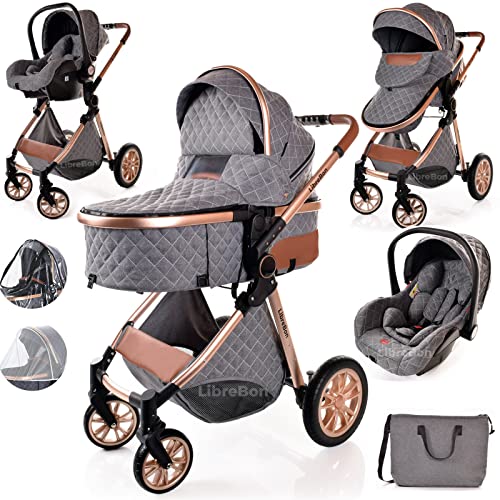
These are flexible choices that combine a stroller and a safety seat, making shifts smooth for moms and dads who often travel. Travel systems help with simple transfer between vehicle and pram without disrupting the baby.
3. Umbrella Strollers
Light-weight and compact, umbrella strollers are best for moms and dads who require an easily transportable option. Though they often have fewer features and may not be appropriate for newborns, they are outstanding for older babies and young children.
4. Jogging Strollers
Developed for active parents, jogging strollers have larger, more steady wheels and a strong frame, permitting them to manage rough terrain. These are best matched for families who delight in outside activities and want to incorporate fitness into their parenting regimen.
5. Double Prams
For households with twins or siblings of close age, double prams provide area for two children side by side or one behind the other. They provide comparable safety and convenience functions as single prams however accommodate several travelers.
Advantages of Using a Pram
Prams offer various benefits for both children and parents:
- Safety: Prams supply a protected and enclosed area for babies and young children, protecting them from possible threats.
- Comfort: Many prams are designed with padded seats, sunshades, and adjustable recline positions to keep babies comfortable during getaways.
- Convenience: Prams make it easier for parents to get around, especially in city environments where carrying a baby can end up being cumbersome.
- Versatility: With various designs offered, prams can adapt to various way of lives, whether it's casual walks, running, or taking a trip.
- Bonding Time: Using a pram enables parents to be physically near to their baby while exploring and enjoying various environments together.
Choosing the Right Pram
Picking the best pram can be difficult given the wide variety of choices. Here are some factors to consider to assist moms and dads:
1. Age of the Child
- Newborns: Look for prams that offer full recline alternatives and compatibility with infant safety seat.
- Infants: Choose a flexible model that allows for a shift to an upright position.
- Toddlers: Lightweight and easy-fold models can be more practical.
2. Lifestyle
- Urban: A compact, quickly maneuverable pram is important for browsing city streets.
- Active: Those who jog or go on hiking trips should think about a robust running stroller.
- Travel: Models that fast to fold and light-weight are better for moms and dads on the go.
3. Spending plan
Prams can range from budget-friendly to high-end designer choices. Identify the important features you require and prevent unnecessary expenses.
4. Safety Standards
Guarantee the pram adheres to local safety policies and functions safety belt, brakes, and sturdy building materials.
5. Practical Features
Consider features like storage area, removable seats for easy cleansing, weather canopies, and adjustable handles based upon individual choice.
Table of Key Pram Features
| Type of Pram | Key Features | Appropriate Age | Rate Range |
|---|---|---|---|
| Conventional Prams | Deep cot; great suspension | Newborn to 6 months | ₤ ₤ - ₤ ₤ ₤ |
| Travel Systems | Stroller and safety seat combo | Newborn onwards | ₤ ₤ - ₤ ₤ ₤ ₤ |
| Umbrella Strollers | Light-weight; easy fold | 6 months onwards | ₤ - ₤ ₤ |
| Jogging Strollers | Durable wheels; safety belt | 6 months onwards | ₤ ₤ - ₤ ₤ ₤ |
| Double Prams | Seats for 2 kids; varied layouts | Newborn to toddler | ₤ ₤ ₤ - ₤ ₤ ₤ ₤ |
FAQs About Prams
1. The length of time can I utilize a pram for my child?
The majority of prams are developed to accommodate children from newborn through to about four years of age, depending on the model and weight limitation.
2. Can I use a pram for jogging?
Just use a jogging stroller for running or running. Routine prams are not created to hold up against such high-impact activities.
3. How do I clean my pram?
Most pram materials can be spot cleaned up with moderate soap and water. Removable covers frequently can be maker washed, though it's essential to check out the manufacturer's guidelines.
4. What is Prams For Newborn for prams?
This differs by model however generally ranges from around 50 lbs to 75 lbs. Constantly examine the requirements before buying.
5. How do I safely protect my baby in the pram?
Ensure that your baby is securely secured in with the five-point harness, and never ever leave them unattended in the pram.
Choosing the ideal pram is a vital decision for parents, which involves weighing numerous elements such as security, convenience, and convenience. Comprehending the different kinds of prams available and their respective functions allows moms and dads to make educated choices that best match their family's requirements. By prioritizing security and performance, caregivers can make sure that strolls, runs, and trips with their youngsters are comfy and pleasurable experiences.